
Find Cheap Ammo Deals Without Sacrificing Quality
Shooting frequently can strain a budget, and cheap ammunition directly addresses this by offering reliable cartridges at a lower per-round cost without requiring a compromise on fundamental functionality. These rounds typically use cost-effective components like steel casings or lighter projectile materials, yet they still cycle standard firearms reliably for routine target practice and plinking. The primary benefit is simply more trigger time for the same money, allowing shooters to build proficiency through volume. For optimal results, reserve cheap ammunition for range sessions rather than defensive carry, where premium performance is non-negotiable.
What Exactly Counts as Budget-Friendly Ammo?
Budget-friendly ammo isn’t merely the lowest sticker price; it’s the lowest cost per round that still cycles your firearm reliably and holds acceptable accuracy 7.62×39 Ammo for Sale for its intended purpose—typically practice or training. For centerfire calibers like 9mm or .223, that often means steel-cased or aluminum-cased loads, which can run 20–40% cheaper than brass but may cause more fouling and wear on ejectors. For rimfire, bulk-packed .22 LR in boxes of 500 or more usually qualifies, but you must test for duds and velocity consistency. The true threshold is roughly 25–30 cents per round for 9mm and under 50 cents for .223 in normal times, though regional availability shifts that line. Never buy purely on price—a box that fails to feed or keyholes at 10 yards is wasted money. Your cheapest shot is only budget-friendly if it lands where you aimed every time.
How Bulk Buying Lowers Your Cost Per Round
Buying in bulk is the fastest way to drop your cost per round, because you’re paying for the box, not the convenience. Manufacturers and retailers price smaller packs at a premium, while a case of 500 or 1,000 rounds usually shaves off 10–20% per cartridge right away. The trick is to stack bulk discounts with free shipping thresholds—that’s where the real savings hide. When you buy a case, you also avoid per-box hazmat or handling fees, which can add $5–$10 to a single 20-round box. Over time, buying once a quarter instead of weekly cuts transaction costs and lets you lock in a price before any jumps. Just check the per-round math before checkout, not the total price.
- Calculate the price per round on a 50-count box versus a 500-count case.
- Add shipping and taxes to both totals—bulk often qualifies for free shipping.
- Compare the final 7mm PRC Ammo for Sale per-round cost, then buy the largest lot that fits your storage and budget.
Which Calibers Offer the Biggest Savings for Practice
For pure practice economics, **budget-friendly ammo calibers** are led by 9mm Luger, .22 LR, and .380 ACP. 9mm offers the best balance of recoil familiarity and bulk pricing, often costing 40–60% less than rifle rounds. .22 LR is the undisputed champion for absolute savings, letting you run thousands of rounds for the price of a few hundred centerfire cartridges. .380 ACP sits slightly higher than 9mm but still undercuts most defensive pistol loads. However, the true saving emerges when you match the exact bullet weight and powder charge to your carry gun, not just the caliber name. Which calibers offer the biggest savings for practice? 9mm and .22 LR consistently deliver the lowest cost per trigger pull without compromising training value. Focus on these two, and your practice budget stretches dramatically.
Understanding the Trade-Off Between Price and Performance
Understanding the trade-off between price and performance means recognizing that a lower cost per round often correlates with reduced consistency in velocity, powder charge, or bullet construction. Cheaper ammunition may group wider at 100 yards, making it unsuitable for precision work, yet perfectly adequate for plinking or close-range defensive practice. You sacrifice terminal expansion or reliable feeding in some budget lines, but you gain the ability to shoot more often, building muscle memory. The key is matching the round’s capability to your intended use—budget-friendly performance hinges on acceptable accuracy for your specific drill. If your goal is training repetition rather than competition scores, the trade-off is often worthwhile.
Price savings directly trade against shot-to-shot consistency 7.62×51 Ammo for Sale and terminal effect; choose cheap ammo only when its performance floor clears your intended task.
How to Spot Quality in Low-Cost Rounds Without Overpaying
Quality in cheap ammunition hinges on consistency, not price. First, weigh a sample box—if cartridge weight varies by more than a few grains, skip it. Inspect the primer seating: flush or slightly recessed is good; protruding primers mean slam-fire risk. Crimp uniformity matters: run your thumbnail over the case mouth—a sharp step indicates poor bullet retention, while a smooth taper shows proper crimp. Test a handful for bullet setback by pressing a round against a hard surface—if the projectile moves, skip that lot. Q: What is the single cheapest way to verify quality? A: Micrometer-measure the case length and bullet diameter on ten random rounds; consistent numbers mean the manufacturer controls tooling, even at low cost.
What to Check in a Box Before You Commit
Before you commit to a budget box, confirm the primer is seated flush, not protruding, and inspect the case mouths for splits or crushed necks. Then, check the bullet for uniform crimp—a visible ring with no wobble—and verify the overall length feels consistent when you thumb specialty sports & supply a few rounds. For spotting quality in low-cost rounds, shake the box: audible powder rattle signals inconsistent charges. Finally, test one round’s headstamp for stamping depth, and run a fingernail over the rim for burrs that cause feeding failures. If any fail, walk away.
Why Brass, Steel, and Aluminum Cases Change the Price
Case material is the first battleground where cheap ammunition pricing becomes visible. Brass cases dominate cost because they are ductile, allowing multiple reloads and reliable extraction under heat; that manufacturing complexity and raw material expense pass directly to you. Steel cases, often lacquered or polymer-coated, cut costs by using cheaper metal and simpler stamping, but they expand differently, can stick in tight chambers, and are generally single-use, lowering their intrinsic value. Aluminum cases are the budget outlier—lightweight and corrosion-resistant, yet soft enough to cause feed issues and rapid pressure fatigue, making them a gamble. The price difference is not arbitrary; you are paying for how many times the case can cycle, how smoothly it ejects, and how much tooling wear it inflicts. A low price per round on steel or aluminum often hides higher malfunction rates or a ruined extractor, so weigh case reusability against immediate savings.
Brass commands a premium for reloadability and extraction reliability, while steel and aluminum drop upfront cost but sacrifice case life, ejection consistency, and firearm cleanliness—so the real price is measured in failures per hundred rounds.
Reading Velocity and Grain Ratings for Your Gun

When evaluating low-cost rounds, prioritize velocity consistency over raw speed, as budget brands often show wide deviations that harm accuracy. Chronograph a box of 20 and compare the extreme spread to premium data; a difference under 50 fps is acceptable, while 100+ fps indicates poor powder metering. Grain ratings matter more for your gun’s twist rate—a 1:7 barrel stabilizes 62–77-grain bullets, while a 1:12 twist prefers 55-grain or lighter. Lighter grains at higher velocity may mimic premium feel, but check pressure signs on brass, 5.56 Ammo for Sale since hot loads in cheap ammo can accelerate wear. Match the grain to your firearm’s printed spec, then verify velocity aligns with factory claims for reliable zero retention.
Where and When to Find the Best Deals on Wallet-Friendly Loads
The best wallet-friendly 5.7x28mm Ammo for Sale loads usually surface right after major holidays—think Black Friday, Memorial Day, and Independence Day—when retailers slash bulk pricing to clear inventory. Check online aggregators like AmmoSeek daily, but set alerts for specific calibers, as deals vanish within hours. Locally, big-box stores mark down remanufactured and steel-case options midweek, especially Tuesday mornings before demand spikes. For prime scores, shop off-season: .223 and 9mm drop in price during late winter, when panic-buying cools. Q: Where’s the sweet spot for cheap ammo? A: Midweek, post-holiday, on aggregator sites and big-box shelves—plus rural sporting goods stores, which often underprice urban chains. Always compare price-per-round, not box price, and buy in bulk only when shipping is free—that’s when a “deal” actually lands in your budget.
Comparing Online Retailers vs. Local Stores for Price Per Box

For price per box on cheap ammunition, online retailers almost always win on raw numbers, often beating local stores by 15–30% before shipping. However, you must factor in delivery costs and waiting time; buying five boxes online frequently negates the savings unless you hit free-shipping thresholds. Local stores shine for single-box emergency purchases, but their shelf prices rarely drop below online sale prices, even after hazmat fees. Still, a local shop’s in-store clearance rack can occasionally undercut a digital deal if you time it right. Calculate total landed cost—item price plus shipping plus transfer fees—before clicking buy, and compare against the counter price plus tax.
Online retailers deliver the best price per box on bulk orders, while local stores only win on small quantities where shipping kills the math.
Seasonal Sales and Clearance Tactics That Slash Prices
To slash ammo prices, time your purchases around post-holiday inventory dumps, when retailers clear overstocked calibers like .223 or 9mm to free warehouse space. Watch for **clearance-tactic price drops** after major hunting seasons—typically late January and mid-summer—when slow-moving loads get red-tagged at 30–50% off. Stack these reductions with store-specific loyalty coupons and bulk-buy thresholds for extra savings. A reliable sequence: first, monitor brick-and-mortar sporting goods stores for end-cap clearance racks; second, check online retailers’ “closeout” filters daily; third, act within 48 hours of a price cut, since popular grain weights vanish fast. Ammo Cans & Storage for Sale Always compare per-round cost before adding to cart, as “deal” tags occasionally mask higher base prices.
Buying in Bulk Packs: What to Look For and What to Avoid
When buying in bulk packs, focus on **per-round cost after shipping**, not the shelf price, since heavy ammo often negates savings. Look for sealed, factory-fresh batches with consistent lot numbers, and verify the packaging protects against moisture—cardboard boxes are fine for short storage, but polymer ammo cans are superior for long-term. Avoid mixed headstamp “assorted” packs, as they hurt accuracy and reliability. Also, steer clear of remanufactured rounds if you need defensive loads, though they’re acceptable for range practice. Check the return policy before committing to a case; defective primers or cracked necks in one box ruin the entire deal.
Practical Tips for Stretching Every Box of Discounted Rounds
To truly stretch every box of discounted ammunition, prioritize precision over volume by treating each round as a diagnostic tool. Start by zeroing your optic with a cheap lot, then fire only three-shot groups to confirm zero shifts, reserving the rest for drills that mimic real defensive or hunting scenarios—never plinking for fun. Shoot from a supported position first to rule out your own wobble, because a miss on a discounted round is a double loss of money and data. Rotate headstamps between sessions to identify which cheap batches your barrel likes, but always fire fouling shots first to normalize pressure.
The highest-value drill is dry-fire practice at home, paired with live-fire confirmation—this stretches your ammo tenfold by isolating trigger control before you spend a single cartridge.
Finally, store partial boxes in sealed bags with desiccant to prevent corrosion, ensuring every remaining round performs identically to the first.
How to Practice Effectively Without Wasting a Single Shot
Effective practice with discounted rounds demands a shift from volume to intention. Begin each session by dry-firing to reinforce trigger control and sight alignment, reserving live fire solely for confirmation. Shoot one aimed shot, then assess the impact before adjusting; never fire a follow-up without a specific reason. Use shot timers to track cadence, but prioritize precise shot placement over speed targets. Divide your box into ten-round mini-drills, focusing on a single flaw per magazine—such as grip pressure or breathing—to create measurable progress. Finally, log every miss and its cause, converting each wasted shot into data that sharpens the next trigger press. This transforms cheap ammunition into a precision training tool, not just noise.

Using Dry Fire and Reloading to Reduce Live Round Usage

Integrating dry fire sessions directly reduces the live round count from a discounted box by building trigger control and sight alignment without expending a single cartridge. For every ten minutes of dry practice, you can realistically save fifty or more live trigger pulls, preserving ammunition for function checks or qualification. Reloading drills, when performed with snap caps or dummy rounds, simulate the full cycle of magazine changes and slide manipulations, thereby cutting live-fire repetitions needed for muscle memory. The carryover from dry practice to live performance is not perfect, but it is substantial enough to stretch a 50-round box across several range visits. Pair this with a strict live-fire count—e.g., only ten rounds for zeroing—and your discounted supply lasts far longer. Stretching discounted rounds via dry fire demands a timer and a target at home, not more ammunition.
Dry fire and reloading with inert tools cut live round consumption dramatically, making every cheap box go further while preserving shooting skill.
Storing Your Inexpensive Stash to Keep It Reliable
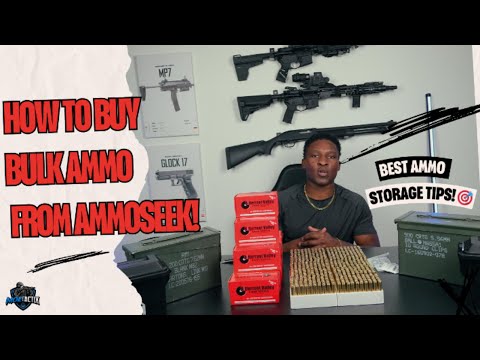
To keep discounted rounds dependable, prioritize moisture-proof, airtight storage in a hard case or metal ammo can with a 7.62x54R Ammo for Sale rubber gasket. Add silica gel packets to absorb humidity, and avoid basements or garages where temperature swings cause condensation on primers and powder. Rotate your stash annually—shoot the oldest lot first, because even budget ammunition degrades over time if stored loosely in cardboard boxes. Inspect for green corrosion on brass or dark spots on primers before loading; dehumidify the container every few months. Label each can with purchase date and lot number, and store upright to prevent bullet setback from pressure shifts.
Moisture control and rotation are the twin pillars that keep inexpensive ammunition reliably igniting, shot after shot.
Common Concerns People Have With Affordable Options
The primary common concern with affordable ammunition is reliability—cheap rounds are often perceived as prone to misfires or extraction failures, which undermines training confidence. Users also worry about inconsistent powder charges leading to velocity spikes or weak cycling in semi-automatics. Accuracy anxiety follows, as budget bullets may have uneven jacket thickness or weight, causing flyers at distance. Another fear is excessive fouling or barrel leading from lower-quality copper or powder, increasing cleaning time. Finally, shooters question whether practice with cheap ammo transfers skills to premium defensive loads, given point-of-impact shifts.
Yet, modern budget manufacturers have tightened QC dramatically, so the real fix is testing a box from each lot and noting which firearm cycles them flawlessly.
Reliable function, acceptable accuracy, and predictable fouling are achievable—you just verify performance before relying on it.
Is It Safe to Shoot Budget Ammo in a New or Expensive Firearm?
Shooting budget ammo in a new or expensive firearm is generally safe, provided the cartridge meets factory specifications for pressure and dimensions. Modern budget ammunition from reputable brands undergoes the same SAAMI pressure testing as premium loads, so it will not damage a precision or high-cost barrel under normal use. However, watch for signs like excessive fouling, inconsistent extraction, or primer flattening—these indicate potential over-pressure, which warrants stopping. For .17 WSM Ammo for Sale a new gun, follow a break-in sequence: fire 50 rounds of budget ammo, clean the chamber and bore, then inspect for unusual wear. After that, run a mix of budget and premium loads to confirm reliable cycling before relying on it for defensive purposes.
- Verify the ammunition’s headstamp matches your caliber and check for corroded or dented cases.
- Start with a light load of 10–20 rounds, then field-strip and inspect the bolt face and extractor.
- Monitor ejection pattern and accuracy; if both remain consistent, continued budget use is fine.
How to Handle Misfires or Duds When They Happen
When firing inexpensive ammunition, a misfire or dud demands a specific, disciplined response. First, keep the muzzle pointed in a safe direction for at least 30 seconds; a hangfire can ignite late. Then, eject the round and inspect it—a light primer strike often indicates a hard batch, while a dimpled primer with no bang signals a bad powder charge. Do not attempt to re-chamber and fire the same cartridge. Instead, visually confirm the barrel is clear of obstructions, especially bullet jackets that separated. If duds are frequent, switch lot numbers from that brand. Proper misfire protocol for budget ammo also includes wearing eye and ear protection at all times, as case ruptures are more common in low-cost brass. Finally, safely dispose of the faulty round per local range rules.
Q: How to Handle Misfires or Duds When They Happen without risking injury?
A: Wait 30 seconds downrange, eject the cartridge, inspect the primer, verify the barrel is clear, and never reload that same round.
When Spending a Little More Actually Saves You Money
When spending .17 HMR Ammo for Sale a little more actually saves you money with cheap ammunition, the calculation shifts from unit price to cost per functional round. A $12 box of bargain ammo that produces three misfeeds or inconsistent velocities forces you to burn extra rounds confirming zero, while a $15 box from a reputable brand yields tighter groups and reliable ignition, meaning every shot counts toward practice. Similarly, reloading once-fired brass from slightly pricier factory loads extends case life, avoiding the hidden expense of replacing split or stretched cases from budget batches. Consider also that a cheap round that leads your barrel requires solvent, time, and potential bore damage—all costs that outweigh the two-dollar saving. The logical principle: pay marginally more to eliminate waste, not to acquire status.
